pt
The Ultimate Guide to Balers: Cardboard, Plastic, and Horizontal Plastic Balers What is a Baler? A baler is a hydraulic or me...
LER MAIS
Seleção do modelo com base em parâmetros técnicos, como gramatura do papelão, velocidade da corrugadora, largura de corte e distância de transporte.
TODOS
Âmbito de Aplicação:
Descubra Mais
Adicionar à Lista de Desejos
Adicionado √
Âmbito de Aplicação:
Descubra Mais
Adicionar à Lista de Desejos
Adicionado √
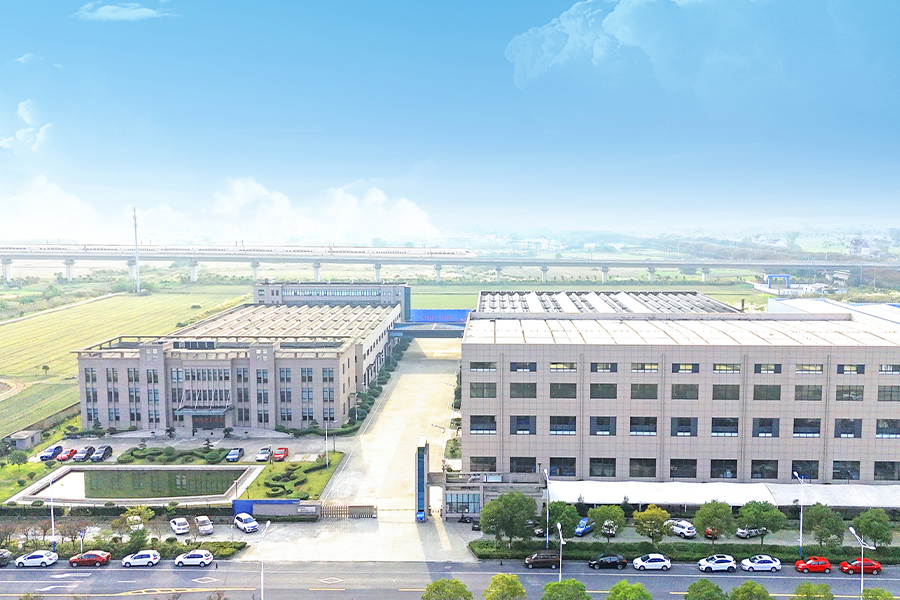
Como Ventiladores para destruição de papel Fabricantes e Ventiladores para destruição de papel Fornecedores, Shanghai Jewel Tech Co., Ltd., fundada em 2006 (a marca foi criada em 1995), é especializada na pesquisa, desenvolvimento e fabrico de equipamentos de compressão e enfardamento ecológicos e inteligentes. Possuímos uma instalação de produção moderna de 50.000 metros quadrados e uma equipa de mais de 200 profissionais.
Aproveitando a nossa vasta experiência de fabrico, oferecemos aos nossos clientes:
Máquinas de compressão e enfardamento semiautomáticas/automáticas. Sistemas inteligentes de remoção de resíduos para várias indústrias. Sistemas automáticos de compressão e embalagem. Máquinas integradas de trituração, compressão e enfardamento. Soluções personalizadas para a indústria.
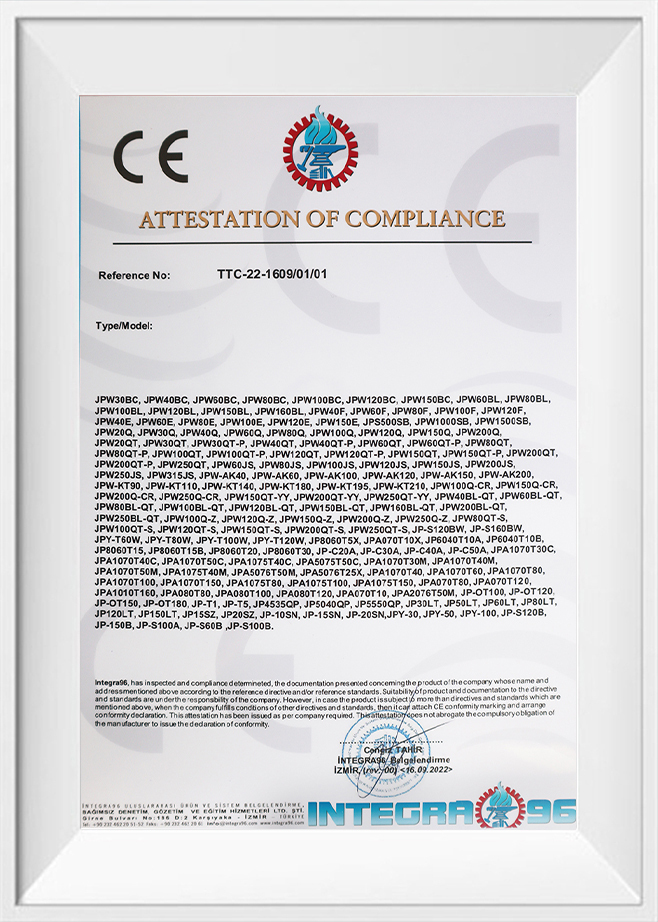
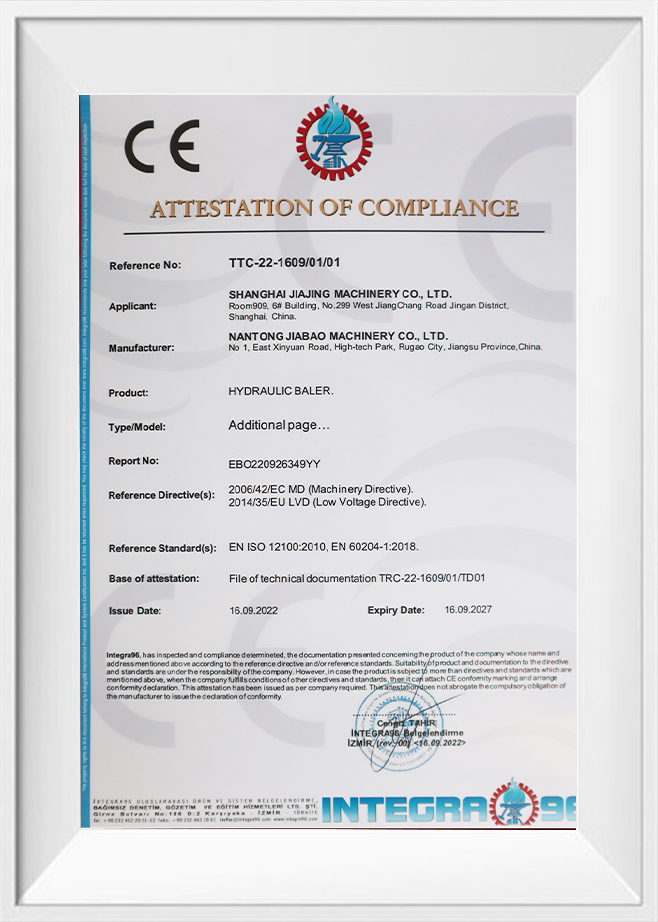
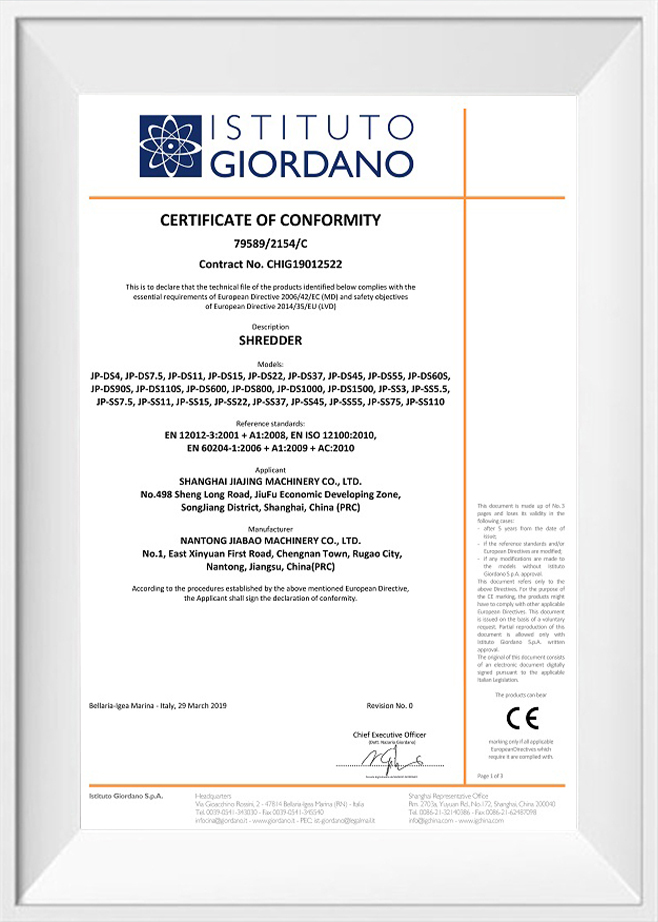
The Ultimate Guide to Balers: Cardboard, Plastic, and Horizontal Plastic Balers What is a Baler? A baler is a hydraulic or me...
LER MAISVisão de fabricação Padrões de engenharia por trás de cada triturador de resíduos que construímos Cada triturador de resíduo...
LER MAISO que é uma enfardadeira para papelão? Uma fábrica de embalagens que gera duas toneladas de sobras de papelão ondulado por dia enfren...
LER MAISA resposta curta primeiro Um gerente de produção de uma fábrica de embalagens de papelão ondulado me mostrou recentemente duas fotografias. A primei...
LER MAISPaper shredding systems are widely used in recycling facilities, document destruction centers, and industrial waste processing lines. Within these systems, fans play an important role in material transport, dust extraction, and airflow management. They help move shredded paper through pipelines, maintain negative pressure in enclosed systems, and reduce the accumulation of airborne particles. In large-scale operations, such as those supported by integrated compression and baling solutions from Shanghai Jewel Tech Co., Ltd., fans are often part of a coordinated system that includes shredding, conveying, and baling equipment.
Paper shredding generates fine dust particles that can become suspended in the air. Under certain conditions, these particles may form combustible dust clouds. When combined with an ignition source such as friction heat, static electricity, or mechanical sparks, there is a possibility of fire or dust explosion. The risk level depends on factors such as dust concentration, ventilation conditions, and equipment design. Facilities handling large volumes of dry paper or mixed waste materials need to consider these risks when selecting and configuring their equipment.
To address fire-related risks, many industrial fans used in shredding systems incorporate fire-resistant design elements. These may include the use of heat-resistant materials for fan housings and impellers, as well as coatings that can withstand elevated temperatures. Bearings and motor components are often selected to operate within controlled temperature ranges, reducing the likelihood of overheating. In addition, system layouts may include fire dampers or isolation valves that help prevent the spread of flames through ductwork.
Explosion-proof fans are designed for environments where combustible dust or gases may be present. These fans are constructed to prevent internal sparks from igniting external atmospheres and to contain pressure in case of an internal ignition. In paper shredding applications, explosion-proof designs may be considered when dust concentrations are high and ventilation systems are enclosed. The selection of such configurations depends on risk assessments and compliance requirements in specific industries or regions.
| Design Feature | Purpose | Application Scenario |
| Anti-static Components | Reduce static electricity buildup | Dry paper shredding environments |
| Sealed Motor Housing | Prevent dust ingress and spark exposure | Enclosed dust handling systems |
| Reinforced Fan Casing | Contain pressure in case of ignition | High dust concentration areas |
| Temperature Monitoring Sensors | Detect overheating conditions | Continuous operation systems |
Fans used in shredding systems are often integrated with dust collection units, such as cyclones or bag filters. These systems reduce airborne dust levels, lowering the risk of combustible dust accumulation. In addition, monitoring devices can be installed to track airflow, temperature, and pressure changes. When abnormal conditions are detected, the system can trigger alarms or automatically shut down equipment to prevent further risk. Shanghai Jewel Tech Co., Ltd. provides intelligent waste handling solutions that can incorporate such monitoring and control features into a unified system.
The materials used in fan construction influence both fire resistance and durability. Steel alloys are commonly used for fan housings and blades due to their mechanical strength and heat tolerance. In some cases, surface treatments are applied to reduce corrosion and wear caused by abrasive particles. The structural design also considers airflow efficiency and resistance to dust buildup, which can affect both performance and safety over time. Proper balancing of rotating components helps minimize vibration and reduce the chance of mechanical faults.
In addition to equipment design, operational practices play a role in managing fire and explosion risks. Regular cleaning of ducts and filters helps prevent excessive dust accumulation. Scheduled inspections ensure that components such as bearings, belts, and electrical connections remain in stable condition. Controlling material input, including moisture levels and foreign objects, also contributes to safer operation. These practices are often part of a broader maintenance strategy in facilities using automated shredding and baling systems.
Different types of fans are selected based on the level of risk in a given application. The following table outlines general differences between standard industrial fans and those designed for explosion-prone environments.
| Parameter | Standard Fan | Explosion-Proof Fan |
| Construction | General industrial materials | Reinforced and sealed structure |
| Electrical Protection | Basic insulation | Explosion-resistant motor design |
| Application | Low dust or controlled environments | High dust concentration areas |
| Cost Consideration | Lower initial investment | Higher due to specialized design |
The question of whether paper shredding fans feature explosion-proof or fire-resistant designs depends on the overall system requirements and risk profile. In many cases, these features are not limited to the fan itself but are part of a broader safety strategy that includes shredders, conveyors, balers, and control systems. Companies such as Shanghai Jewel Tech Co., Ltd. focus on integrated solutions that combine multiple processes, allowing safety considerations to be addressed at the system level rather than through isolated components. This approach supports coordinated operation and helps manage the complex conditions found in modern waste processing environments.
Q: How do paper shredding fans contribute to system efficiency in waste processing lines?
A: Paper shredding fans support efficient airflow management by transporting shredded material through pipelines and maintaining stable air pressure within the system. This helps reduce material blockages, improves throughput, and ensures smooth coordination between shredding, conveying, and baling processes.
Q: What factors should be considered when selecting a fan for a shredding system?
A: Key factors include airflow capacity, pressure requirements, material characteristics, dust levels, and system layout. It is also important to evaluate compatibility with other equipment such as shredders and balers, especially in integrated systems provided by manufacturers like Shanghai Jewel Tech Co., Ltd.
Q: How does fan design impact dust control in paper shredding operations?
A: Fan design influences how effectively dust is captured and transported to collection systems. Properly designed fans maintain consistent airflow, which helps reduce airborne particles and supports the performance of dust collectors such as cyclones or filters.
Q: Can paper shredding fans handle different types of paper and mixed materials?
A: Yes, shredding fans are generally designed to handle a range of lightweight materials, including office paper, cardboard fragments, and certain mixed waste streams. However, system configuration may need adjustment depending on material density and particle size.
Q: What maintenance practices help ensure reliable fan operation?
A: Regular inspection of blades, bearings, and motor components is essential. Cleaning accumulated dust, checking for imbalance, and ensuring proper lubrication can help maintain stable performance and reduce the likelihood of unexpected downtime.
Q: How do integrated systems improve the performance of shredding fans?
A: In integrated systems, shredding fans work in coordination with conveyors, shredders, and balers. This synchronized operation improves material flow, reduces energy loss, and allows centralized monitoring and control, which enhances overall system efficiency.
Q: What role does airflow control play in preventing system blockages?
A: Controlled airflow ensures that shredded material moves at a consistent velocity through ducts and pipelines. If airflow is too low, material may accumulate and cause blockages; if too high, it may lead to unnecessary wear. Proper fan selection and control help maintain balance.
Q: How can customization improve fan performance in specific applications?
A: Customization allows the fan design to match specific operational conditions, such as duct length, material type, and processing capacity. Manufacturers like Shanghai Jewel Tech Co., Ltd. can tailor fan configurations to align with complete waste handling systems, ensuring better compatibility and performance.

Tipos de Resíduos
Categorias
 Personalizado Ventiladores para destruição de papel Fornecedores